
The Ultimate Guide to Coastal Feasts: Oyster Cooker vs. Seafood Steamer
There is nothing quite like the tradition of gathering around a newspaper-lined table, surrounded by friends and family, waiting for a steaming pile of fresh coastal seafood to be poured out. Whether you are hosting a classic Lowcountry oyster roast or a backyard Low Country boil, having the right equipment is the difference between perfectly tender seafood and an overcooked disappointment.
For backyard chefs and catering professionals alike, choosing the right equipment is a critical decision. The debate often comes down to two heavy hitters: the dedicated oyster cooker and the versatile seafood steamer.
If you are preparing to invest in your next outdoor cooking setup, this comprehensive guide will break down the structural differences, cooking mechanics, and performance capabilities of oyster cookers, seafood steamers, boilers, and more, helping you choose the absolute best machine for your culinary traditions.
Understanding the Mechanics: Steam vs. Direct Heat
To understand which equipment fits your lifestyle, it helps to understand the engineering behind how these cookers transfer heat to your food.
What is a Dedicated Oyster Cooker?
A heavy-duty oyster cooker is specifically engineered to handle the intense heat and heavy weight required to roast bushels of oysters simultaneously. Unlike standard pots, commercial-grade oyster cookers often utilize robust burner systems housed within structural steel frames. They focus on generating rapid, intense, contained heat to pop open thick oyster shells efficiently without drying out the delicate meat inside.
What is a Seafood Steamer or Seafood Boiler?
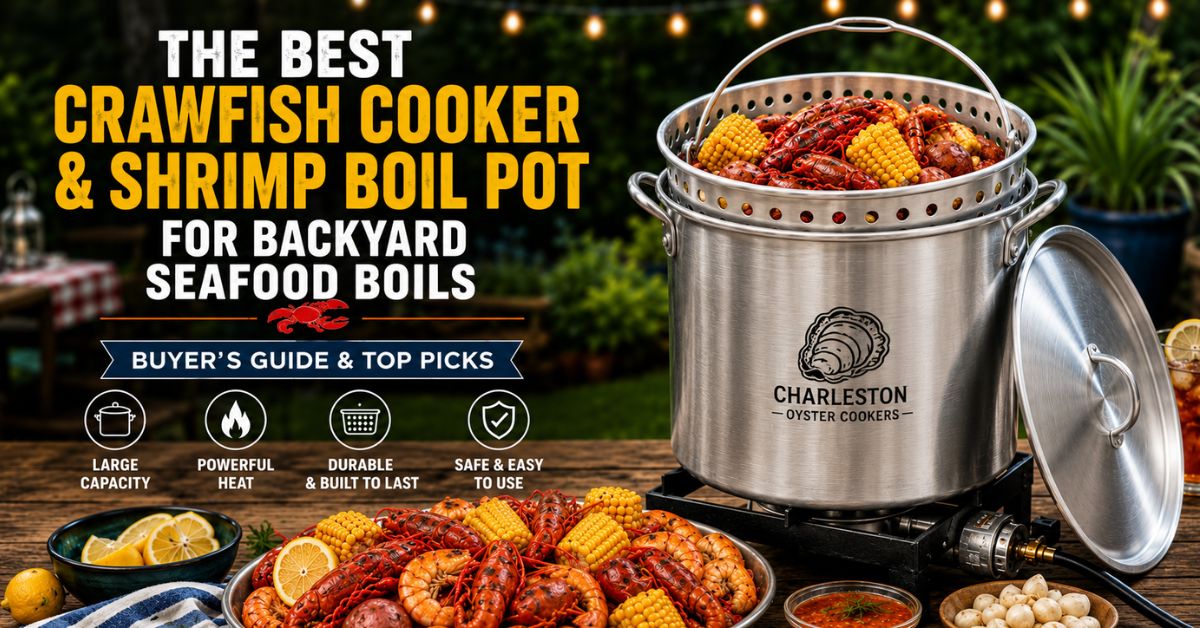
A seafood steamer relies on a tiered or basket-based system where water sits at the bottom, creating intense, pressurized, or circulating steam. A seafood boiler or shrimp boil pot on the other hand, involves submerging ingredients directly into seasoned, boiling water. Many high-end modern units are hybrid models—built structurally to operate as an efficient crawfish cooker or multi-use steamer by simply adjusting water levels and basket placement.
Head-to-Head Comparison: Oyster Cooker vs. Seafood Steamer
|
Feature |
Dedicated Oyster Cooker |
Multi-Use Seafood Steamer / Boiler |
|
Primary Cooking Method |
High-intensity roasting/steaming |
Vapor steaming or liquid submersion boiling |
|
Best For |
Heavy bushels of wild/cluster oysters |
Shrimp, crawfish, crabs, corn, and sausage |
|
Shell Opening Speed |
Exceptionally fast (prevents rubbery meat) |
Moderate to fast (best for clean, washed oysters) |
|
Capacity Handling |
Built for heavy, muddy, dense weights |
Built for volumetric capacity (gallons/quarts) |
|
Versatility |
Optimized for oysters and clams |
Highly versatile across all marine proteins |
1. Performance at Traditional Oyster Roasts
When hosting a traditional oyster roast, speed and heat retention are paramount. Oysters in the United States - whether you are harvesting Eastern oysters along the Atlantic coast or Gulf Coast varieties—are heavy, often covered in mud, and tightly clamped.
A specialized unit like The Classic Oyster Cooker is designed to withstand the rugged conditions of a true coastal roast. The intense burner output ensures that the internal temperature rises fast enough to force the shells to pop open naturally. If you attempt to roast heavy bushels of oysters in a standard, thin-walled aluminum pot, you risk uneven heat distribution, resulting in some oysters burning while others remain completely closed.
2. Versatility for Seafood Boils and Crawfish Bakes
If your summer plans involve throwing a massive Louisiana-style boil, a premium seafood cooker & steamer takes the crown.
A high-capacity crawfish cooker or shrimp boil pot requires a deep reservoir to accommodate pounds of live crawfish, red potatoes, sweet corn, and smoked sausage swimming in spicy, aromatic broth. Seafood steamers excel here because their basket systems allow you to easily lift, drain, and dump the entire boil directly onto the serving table without losing heat or over-retaining dirty cooking water.
Key Factors to Consider Before Buying
Material and Durability
From an engineering and product-longevity standpoint, coastal environments are brutal on outdoor cooking equipment. Salt air, moisture, and high-BTU propane burners cause cheap metals to rust and degrade within a single season. Look for cookers constructed from:
Heavy-Gauge Industrial Steel: Offers maximum structural integrity for heavy bushels.
Premium Aluminum or Stainless Steel Inserts: Resists corrosion from salty water and coastal humidity.
Thermal Output (BTU Rating)
The speed at which your water reaches a rolling boil or your cooking chamber reaches roasting temperatures depends entirely on the burner’s BTU (British Thermal Unit) capacity. High-output burners reduce recovery time—the time it takes for the cooker to get back up to temperature after you dump in a cold batch of seafood.
Ease of Cleaning and Portability
Oyster roasts and seafood boils are messy affairs. A well-designed oyster steamer or cooker should feature integrated drainage or easily removable components. Because these events happen anywhere from backyard patios to coastal beaches, integrated wheels and stable, heavy-duty legs are essential safety features.
Pro-Tips for Perfecting Your Coastal Seafood Feast
- Don't Overwater Oysters: When using an oyster cooker, you want enough moisture to create a clean, hot steam environment, but you should never drown the oysters. They should cook in their own liquor and concentrated steam.
- Layer Your Boil: When utilizing a shrimp boil pot, timing is everything. Drop your potatoes and corn first, add your sausage mid-way, and save delicate proteins like shrimp or blue crabs for the final minutes to prevent them from becoming tough.
- The Soak is Secret: For authentic crawfish, turn off the heat once boiling is complete and let the mudbugs soak in the seasoned water for 15-20 minutes. This allows them to absorb the spices without overcooking.
Frequently Asked Questions (FAQs)
Can you use a regular shrimp boil pot to roast oysters?
While you can technically steam a small number of clean oysters in a large pot with a steamer insert, standard pots lack the heavy-duty structural design and high-BTU output required to evenly and safely cook full, heavy bushels of cluster oysters.
What makes a dedicated oyster cooker better than a standard cooker?
A dedicated unit like The Classic features robust construction designed specifically to bear the weight of heavy, muddy oyster bushels while distributing intense heat evenly to pop shells rapidly without drying out the meat.
How many BTUs do I need for a proper crawfish cooker or seafood boiler?
For large outdoor seafood cooks, look for burner systems ranging from 50,000 to over 100,000 BTUs. High thermal output ensures rapid boiling times and instant heat recovery when cooking large quantities of food.
How do I clean and maintain my seafood cooker in coastal areas?
Always wash your cooker thoroughly with fresh water and mild soap after every use to remove salt, mud, and acidic seasonings. Dry the unit completely, and apply a light coat of food-grade oil to iron or steel components to prevent rust during storage.
Charleston Oyster Cookers
- Address: 1845 Alice Drive, Charleston, Sc 29407
- Phone: (843) 994-2444
- E-mail: bchance@charlestonoystercookers.com
Conclusion: Which Is Best For You?
Ultimately, the choice between an oyster cooker and a seafood steamer comes down to your personal culinary traditions. If your absolute priority is hosting legendary, authentic oyster roasts with perfectly cooked clusters, investing in a specialized, heavy-duty unit like The Classic Oyster Cooker is an unmatched experience. However, if you want a versatile champion capable of handling seasonal backyard shrimp boils, blue crabs, and crawfish festivals, a high-capacity seafood cooker & steamer combo is your best bet.