Seafood Boil Equipment Checklist: Everything You Need for a Backyard Boil
There is nothing quite like the communal experience of a backyard seafood boil. Whether you are hosting a South Carolina Lowcountry boil, a Louisiana crawfish festival, or a classic East Coast clam bake, gathering around a steaming table of fresh seafood is an iconic American tradition. However, orchestrating the perfect boil requires more than just fresh ingredients and a good spice blend; it requires reliable, high-quality seafood boil equipment.
Attempting a large-scale boil with undersized kitchen pots or flimsy utensils is a recipe for unevenly cooked food, dangerous water spillovers, and a frustrating cooking experience. To host a flawless event, you need a carefully curated outdoor setup. In this comprehensive guide, we will walk you through the ultimate equipment checklist—from selecting the core cooker to the specialized seafood cooking tools that separate the backyard amateurs from the seasoned pitmasters.
1. The Foundation: Selecting the Right Cooker and Pot
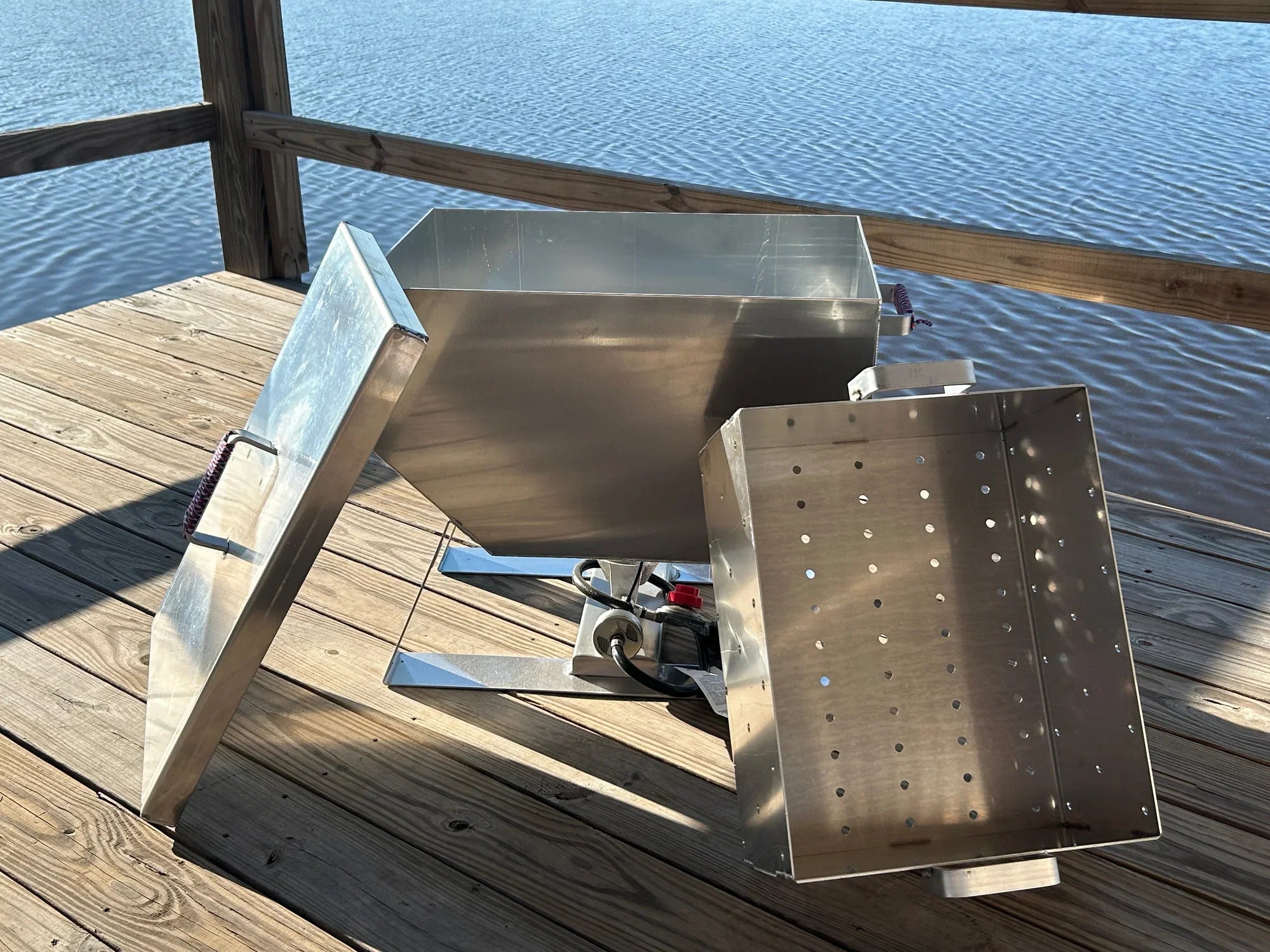
The centerpiece of your outdoor kitchen is the boiling or steaming vessel. If you are serious about outdoor cooking, you must invest in a dedicated system designed to handle high heat, large volumes of water, and heavy batches of food.
- Seafood Steamers vs. Boiling Pots: Depending on your regional tradition and the catch of the day, you will either be steaming or boiling. A dedicated seafood steamer utilizes a false bottom or an elevated internal grate, keeping the seafood out of the rolling water so it cooks gently in the highly pressurized vapor. This is the preferred method for oysters, clams, and delicate crabs. Conversely, boiling pots submerge the food completely, which is the standard for crawfish and shrimp boils where you want the ingredients to absorb the heavily seasoned broth.
- Material Matters: When you are ready to buy seafood boil equipment online, pay close attention to the metal gauge. Commercial-grade stainless steel is the undisputed gold standard. Unlike standard aluminum, stainless steel will not pit, warp, or chemically react with highly acidic ingredients (like lemon juice) or heavily salted boil seasonings.
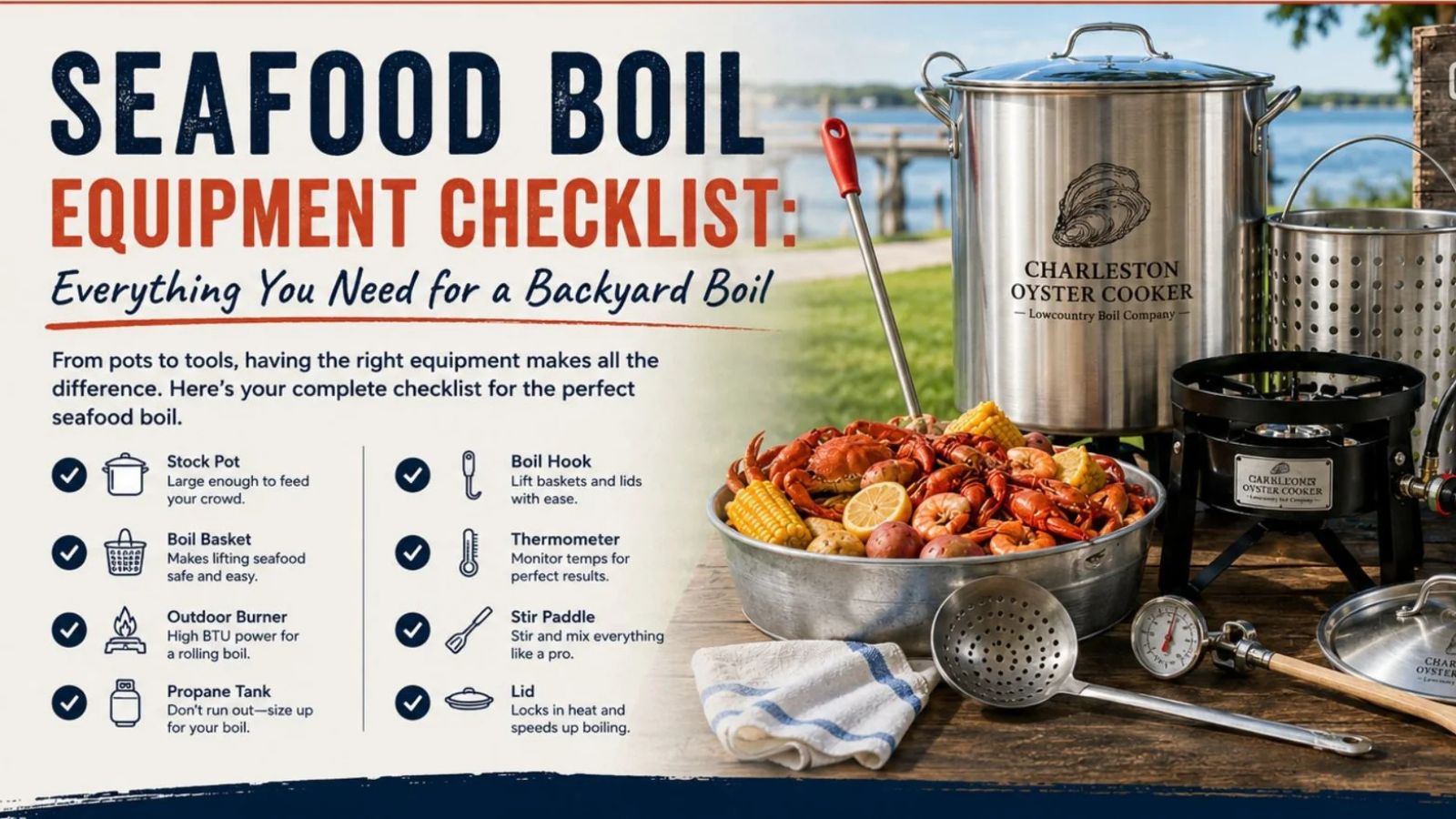
- Burner Power and BTU Output: A high-BTU propane burner is non-negotiable. When you drop 20 to 30 pounds of cold seafood into boiling water, the ambient temperature of the pot plummets immediately. You need a high-pressure burner that can rapidly return the pot to a rolling boil to prevent the seafood from steeping too long and turning mushy.

If you are upgrading your setup this season, explore our selection of premium crawfish cookers and shrimp boil pots designed for optimal heat retention and extreme outdoor durability.
2. Essential Seafood Boil Accessories
Once your core cooking vessel is secured, it is time to look at the seafood boiler accessories that make the cooking process safe, efficient, and enjoyable. Handling gallons of boiling, seasoned water requires specialized gear—standard indoor kitchen utensils simply will not cut it.
- Heavy-Duty Stirring Paddles: A 36-inch or 48-inch wooden or stainless steel paddle is crucial. You need the physical leverage to agitate the boil and ensure the seasoning is evenly distributed, all while keeping your hands safely away from the intense steam column.
- Strainer Baskets: The defining feature of professional seafood cooking tools is how efficiently they allow you to remove the food from the heat source. A heavy-duty perforated basket that fits snugly inside your pot is essential to stop the cooking process immediately once the seafood is perfectly tender.
- Lifting Hooks and Gloves: For larger pots, manually lifting a basket full of wet, heavy seafood can be dangerous. A specialized lifting hook allows two people to securely hoist the basket out of the boiling water. Pair this with waterproof, elbow-length, heat-resistant gloves to protect against accidental splashing.


For a comprehensive look at professional-grade utensils, browse our complete collection of seafood cooking accessories to find exactly what you need for your next large gathering.
3. Specialized Gear: Tailoring to Your Catch
Different types of seafood require slightly different approaches and specialized tools. Whether you are steaming oysters on the coast or boiling crawfish in the backyard, having the right niche accessories elevates the entire experience.
- Shrimp and Crawfish: Shrimp cook incredibly fast—often in just a few minutes—meaning precise timing is everything. Essential shrimp boil accessories include fine-mesh skimmers to scoop up loose shrimp and quick-drain baskets. For crawfish, the sheer volume dictates the gear. You will need large-capacity setups and specific crawfish cooker accessories like basket resting bars that allow the heavy catch to drain safely over the pot before you transport it to the table.
- Crab Boils: Crabs are bulky and have sharp shells that can easily scrape and damage flimsy aluminum pots. When sourcing crab boil accessories, look for thick-gauge stainless steel tongs with an extended reach, and reinforced baskets that will not buckle under the weight of Dungeness, Snow, or Blue crabs.
- Oyster Roasts: The traditional oyster roast is a unique culinary event. If you are moving past the old-school fire-and-wet-burlap method, a high-quality cooker is your best friend. Your baseline oyster roast supplies must include heavy-duty heat-resistant gloves, specialized oyster knives (shuckers) with built-in hand guards, and sturdy sorting tables. Furthermore, integrating the right oyster cooker accessories—like heavy-duty steaming grates and tightly fitted lids to trap the vapor—ensures the shells pop open perfectly every time. If you are using a dedicated steamer, investing in precise oyster steamer accessories like built-in temperature gauges will take all the guesswork out of your cook times.
To find the perfect system tailored to your favorite coastal catch, check out our extensive range of seafood cookers and steamers.
4. Setting Up Your Serving Station
The equipment checklist does not end when the burner is turned off. The presentation and serving phase requires just as much logistical thought to ensure your guests are comfortable.
- Prep and Dump Tables: You need a sturdy, easily washable surface. Many seasoned hosts use folding tables lined with heavy-duty builder's paper or layers of classic newspaper to absorb the flavorful juices.
- Condiment Stations: Set up dedicated caddies for your drawn butter warmers, assorted hot sauces, fresh lemon wedges, and extra dry rub shakers.
- Cleanup Gear: Have galvanized buckets strategically placed around the tables for discarded shells, cobs, and tails. Rolls of heavy-duty paper towels should be within arm's reach of every guest.
By investing in high-quality gear from trusted, specialized sources like Charleston Oyster Cooker, you aren't just buying cooking pots; you are investing in years of memorable, hassle-free backyard gatherings.
Frequently Asked Questions (FAQs)
Q: What size pot do I need for a backyard seafood boil?
A: The general rule of thumb in the outdoor cooking community is 2 quarts of water capacity per pound of seafood. If you are boiling 20 pounds of crawfish, you will want at least a 40-quart pot. However, for large gatherings and to account for potatoes, corn, and sausage, an 80-quart or even 100-quart commercial setup is ideal to prevent overflowing and maintain a rolling boil.
Q: Is a steamer better than a boiling pot for oysters?
A: Yes, typically. Oysters are traditionally steamed or roasted rather than fully submerged in boiling water. A dedicated seafood steamer keeps the oysters elevated above the water line, cooking them via high-heat vapor until the shells naturally pop open. This method preserves their natural briny liquor inside the shell.
Q: What are the most overlooked oyster roast supplies for beginners?
A: Beginners often forget puncture-resistant, heat-proof gloves and proper shucking knives. Using a standard kitchen knife is incredibly dangerous and highly ineffective for prying open stubborn oyster hinges. Additionally, heavy-duty trash bins specifically designated for discarded shells are crucial for keeping the serving area clean and safe.
Q: Can I use the exact same equipment for crawfish and crabs?
A: Absolutely. Most large-capacity boiling pots are highly versatile. Just ensure you have the appropriate crab boil accessories (like long, heavy-duty tongs for safely extracting individual crabs) and crawfish cooker accessories (like a sturdy, assisted-draining basket) to handle the different sizes and weights of the seafood safely.
Charleston Oyster Cookers
- Address: 1845 Alice Drive, Charleston, Sc 29407
- Phone: (843) 994-2444
- E-mail: bchance@charlestonoystercookers.com
Conclusion
Hosting a backyard seafood boil is one of the most rewarding ways to entertain friends and family, bringing a true taste of the coast directly to your home. However, the ultimate success of the event relies heavily on the quality, safety, and capacity of your setup. From selecting the ultimate high-BTU seafood steamer to stocking up on essential seafood cooking tools and durable oyster roast supplies, having the right gear ensures a safe, efficient, and delicious cooking experience.
Do not let subpar equipment ruin expensive, high-quality seafood. Equip your outdoor kitchen with professional-grade tools, follow our comprehensive checklist, and get ready to host a legendary boil that your guests will be talking about for years to come.