How to Choose the Best Crawfish Cooker: A Complete Guide to Outdoor Seafood Boilers, Oyster Steamers & Seafood Cookers
There is nothing quite like gathering family and friends around a table loaded with steaming Lowcountry oysters, spicy Cajun crawfish, fresh blue crabs, or sweet wild shrimp. Whether you are hosting a backyard oyster roast in South Carolina, a Gulf Coast crawfish boil, or a massive coastal seafood festival, having the right equipment transforms a good gathering into an unforgettable culinary tradition.
However, attempting to feed a crowd using flimsy, thin-gauge stockpots or underpowered propane burners quickly leads to frustration: unevenly cooked seafood, slow recovery times, rusted gear, and wasted ingredients.
To achieve restaurant-quality results in your own backyard, you need specialized equipment built specifically for heavy-duty outdoor cooking. In this comprehensive guide, we will break down everything you need to know to choose the best Crawfish Cooker, Seafood Boiler, Oyster Steamer, and all-around Seafood Cooker for your cooking style, capacity needs, and regional preferences.
1. Boiling vs. Steaming: Understanding Your Seafood Cooking Style
Before investing in a new outdoor cooker, it is essential to understand the structural and thermal differences between a Seafood Boiler and an Oyster Steamer. While both utilize propane heat, their design dictates how heat and moisture are delivered to the food.
Crawfish Cooker / Seafood Boiler | Outdoor Oyster Steamer
Primary Method | Direct immersion in spiced water | Enclosed pressurized steam heat |
Best For | Crawfish, Shrimp, Crab, Corn | Oysters, Clams, Mussels, Tamales |
Liquid Needed | High volume (10–30+ gallons) | Low volume (1–3 gallons water) |
Cooking Goal | Deep flavor infusion via boil | Tender, plump shell opening |
The Crawfish Cooker & Seafood Boiler
A dedicated Crawfish Cooker is designed for high-volume liquid capacity. When boiling crawfish, blue crabs, or shrimp, you must maintain a rapid rolling boil while introducing dozens of pounds of fresh, cold seafood and vegetables.
- High-BTU Burners: Essential for bringing 15 to 30 gallons of water back to a boil instantly after submerged ingredients drop liquid temperatures.
- Large Basket Drain Systems: Allows quick liquid evacuation so crawfish do not overcook while sitting in hot broth during plating.
The Outdoor Oyster Steamer
Steaming oysters requires precise, intense steam circulation rather than immersion. An Outdoor Oyster Steamer traps boiling water vapor inside a tight chamber, cooking the oysters gently in their natural liquor without diluting their natural briny flavor.
- Controlled Water Reservoir: Uses far less water, allowing fast heat-up and continuous steam output.
- Heavy-Duty Lids: Trap heat to pop open thick oyster shells evenly in minutes.
If your coastal gatherings alternate between autumn oyster roasts and springtime crawfish boils, purchasing a multi-functional Seafood Cooker that seamlessly handles both boiling and steaming is the ultimate setup.
2. Key Criteria to Look For When Buying a Commercial-Grade Outdoor Seafood Cooker
Not all outdoor cookers are engineered equally. To ensure your investment survives salt air, intense heat, and years of frequent use, evaluate these critical factors before you buy an outdoor seafood steamer or boiler:
A. Marine-Grade Aluminum vs. Thin Sheet Metal
The coastal air environment is unforgiving to cheap metals. Standard steel burners rust, warp, and flake within a season or two when exposed to salt, water, and outdoor humidity.
Look for cookers constructed from marine-grade aluminum or thick stainless steel. High-grade aluminum offers superior corrosion resistance, rapid heat conduction, and exceptional structural durability without adding unnecessary weight.
B. High-Output Propane Burners & BTU Calibration
A low-end burner rated under 50,000 BTUs will struggle to keep water boiling or generate sufficient steam once cold seafood enters the basket. For professional performance, select a cooker engineered with high-output propane burners (100,000+ BTUs) capable of delivering rapid recovery times and even heat distribution across the entire pan or pot.
C. Ergonomics, Portability, and Heavy-Duty Mobility
Lifting 50 pounds of hot, steamed oysters or sloshing gallons of boiling water is a safety hazard if your equipment lacks stability or mobility.
- Look for reinforced frame designs with integrated, heavy-duty pneumatic wheels that allow you to roll your cooker smoothly across grass, gravel, sand, or pavers.
- Ensure heavy-duty drain valves and heat-resistant handles are built into the design for safe, hassle-free operation.
At Charleston Oyster Cookers, every unit is engineered in the Carolinas to withstand commercial demands while providing effortless portability for home hosts and professional caterers alike.
3. Top Recommendation: The Wheeled Classic Outdoor Seafood Cooker
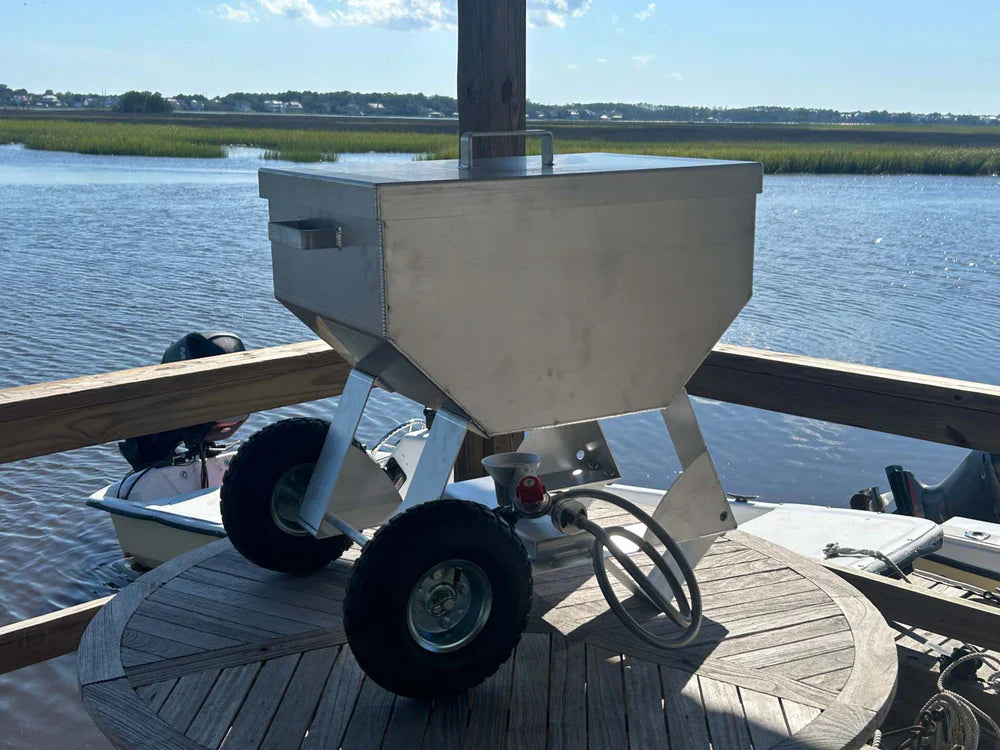
If you are looking for the absolute gold standard in heavy-duty, mobile outdoor cooking, look no further than The Wheeled Classic.

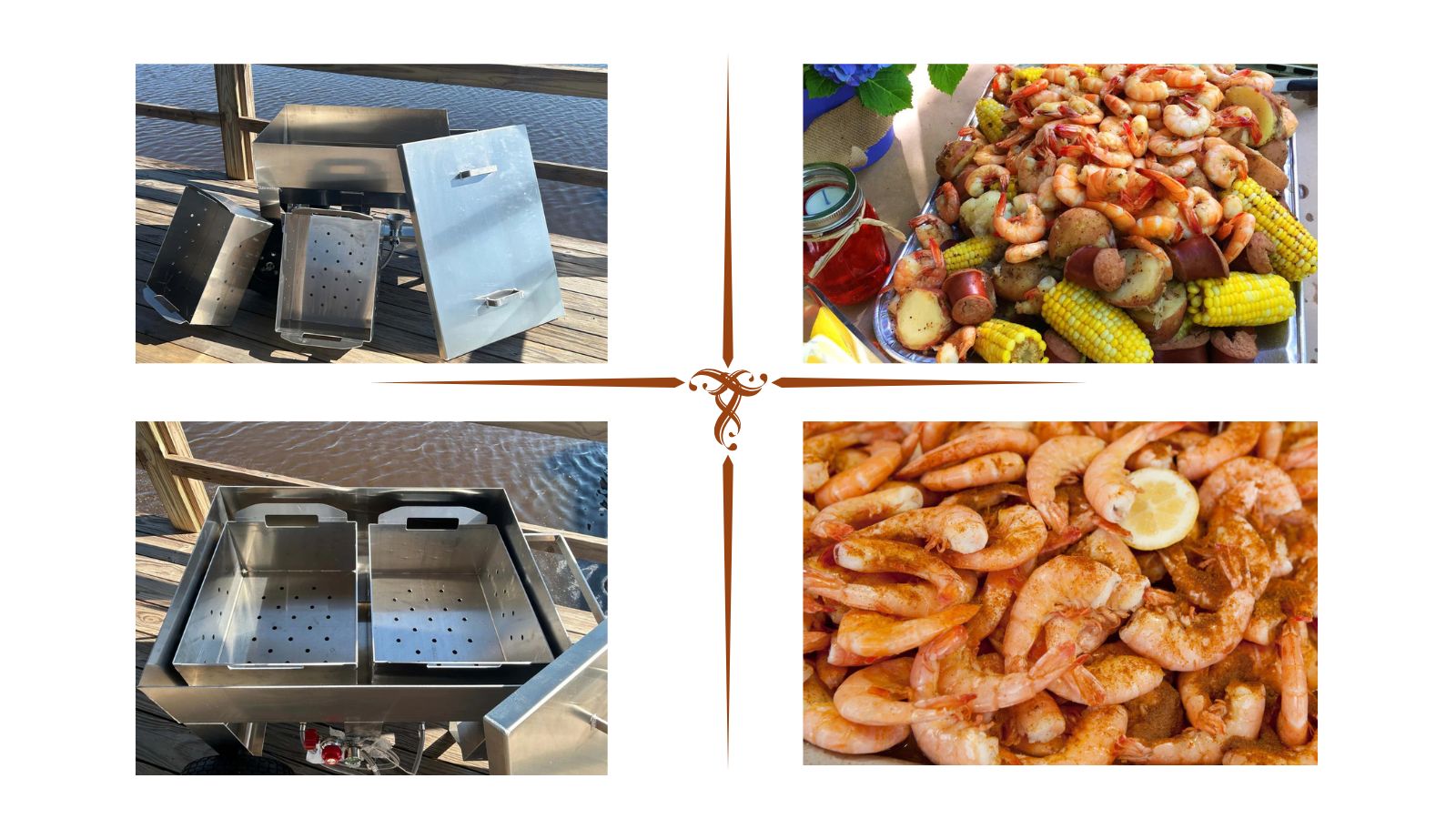
Heavy-Duty Lid & Steam Chamber
Marine-Grade Aluminum Frame
High-Output Propane System
Pneumatic All-Terrain Wheels

Designed specifically for backyard cooks, competition teams, and coastal caterers, The Wheeled Classic solves every common problem associated with traditional seafood boilers and steamers:
- Unmatched Mobility: Equipped with wide pneumatic tires and an ergonomic handle, you can transport hot seafood directly from your cook station to the serving table without heavy lifting.
- Marine-Grade Durability: Built with thick, rust-resistant marine-grade aluminum, guaranteeing a rust-free lifespan even when stored near salt water.
- Dual Boiling & Steaming Power: Engineered with dual high-output burners and a heavy-capacity cooking tray, making it the perfect Outdoor Oyster Cooker as well as a high-capacity Seafood Boiler for crawfish, crabs, and shrimp.
- Effortless Cleanup: Features an integrated brass drain valve for quick liquid discharge and easy hose-down maintenance after the feast.
Whether you need a reliable Outdoor Seafood Steamer for family weekend roasts or a commercial-grade Crawfish Cooker for large party catering, investing in The Wheeled Classic ensures flawless execution every single time.
4. Pro Tips for Operating and Maintaining Your Outdoor Seafood Cooker
- Pre-Seasoning & Burn-Off: Before cooking your first batch of seafood, connect your propane tank and run the burners on high for 15 minutes to clear any manufacturing oils or dust from the cooker surface.
- Water Level Calibration: When steaming oysters, fill water only up to the designated steam grate level. Submerging oysters in water causes them to boil rather than steam, resulting in tough, rubbery meat.
- Propane Pressure Management: Always check your regulator connection for gas leaks using a simple soap-and-water spray before ignition. Keep spare propane tanks on hand during cold weather, as rapid gas discharge can freeze regulator valves.
- Post-Cook Wash Down: Wash your marine-grade aluminum cooker with mild soap and fresh water after every use. Neutralize acidic seasonings and salt liquor to maintain the polished finish and longevity of the metal.
Frequently Asked Questions (FAQs)
Q1: What is the primary difference between a Crawfish Cooker and an Oyster Steamer?
A Crawfish Cooker is designed primarily for liquid boiling where crawfish, corn, and potatoes are fully submerged in seasoned boiling water. An Oyster Steamer uses a raised grate elevated above a shallow water reservoir to cook shellfish using intense, enclosed steam vapor. Multi-use equipment like The Wheeled Classic is engineered to handle both cooking methods seamlessly.
Q2: Can I use an Outdoor Seafood Steamer on a wooden deck or patio?
While marine-grade cookers are safe for outdoor use, you should always place a high-BTU Outdoor Oyster Cooker on a level, non-flammable surface such as concrete, pavers, or a heat-resistant burner mat. Never operate high-power propane cookers inside enclosed garages or directly under low wooden overhangs.
Q3: How many bushels of oysters or pounds of crawfish can I cook at once?
Capacity depends on your cooker volume. Heavy-duty cookers like those designed by Charleston Oyster Cookers can comfortably cook up to a full bushel of oysters or 30–40 pounds of live crawfish in a single cycle, making them ideal for feeding large groups efficiently.
Q4: Why is marine-grade aluminum preferred over standard steel for seafood cookers?
Marine-grade aluminum is lightweight, highly resistant to saltwater corrosion, and offers significantly higher thermal conductivity than steel. This means faster heating times, lower fuel consumption, and decades of reliable outdoor performance without rusting.
Q5: Where can I buy a heavy-duty outdoor seafood steamer with wheels in the USA?
You can order direct-from-manufacturer heavy-duty cookers online through Charleston Oyster Cookers, featuring nationwide USA shipping, full warranty coverage, and handcrafted Carolina quality.
Charleston Oyster Cookers
- Address: 1845 Alice Drive, Charleston, Sc 29407
- Phone: (843) 994-2444
- E-mail: bchance@charlestonoystercookers.com
Conclusion
Choosing the best Crawfish Cooker, Seafood Boiler, or Oyster Steamer comes down to material quality, burner performance, capacity, and mobility. Rather than settling for thin, disposable pots that struggle to heat and rust after one season, upgrade your outdoor kitchen with heavy-duty, marine-grade equipment built to last a lifetime.
Ready to elevate your next backyard feast? Explore the full lineup of custom cookers at Charleston Oyster Cookers or order The Wheeled Classic today for the ultimate outdoor seafood experience!