How to Steam Frozen Shrimp: The Complete Guide (Cooking Time, Tips & Mistakes to Avoid)
Steaming shrimp is hands-down one of the best ways to preserve its natural sweetness, firm snap, and rich coastal flavor. However, when you are working with frozen shrimp, many home cooks and backyard hosts run into a common roadblock: rubbery, tough, or watered-down seafood.
Whether you are prepping a quick weeknight dinner or throwing a Lowcountry seafood feast for a crowd, knowing how to steam shrimp—and specifically how long to steam shrimp from frozen - is the secret to achieving culinary perfection every single time.
In this comprehensive guide, our seafood outdoor cooking specialists at Charleston Oyster Cookers break down exact cooking times, expert preparation techniques, equipment requirements, and the top mistakes to avoid when you steam shrimp at home.
Can You Steam Shrimp Directly From Frozen?
Yes, you can absolutely steam frozen shrimp directly without thawing them first! In fact, steaming frozen shrimp is a fantastic time-saver that locks in moisture when executed properly.
However, there are two distinct ways to approach frozen shrimp:
- Direct-from-Frozen Steaming: Ideal for quick preparation. Because the exterior carries a protective ice glaze, it requires an additional 2 to 3 minutes of steam time to melt the ice and heat the shrimp through without drying out the meat.
- Quick-Thaw Steaming: Submerging frozen shrimp in cold water for 10–15 minutes until fully thawed before placing them in the steamer basket. This method provides the most consistent seasoning adhesion and even cooking.
If you are aiming for maximum flavor absorption from spices like Old Bay or Cajun seasoning, quick-thawing is recommended. But if time is tight, steaming directly from frozen works beautifully when you monitor your timing closely.
How Long Do You Steam Shrimp? (Master Timing Chart)
The single most important question cooks ask is: how long do you steam shrimp before they turn tough?
Because steam cooks seafood gently at around 212°F (100°C), the timing window is tight. Overcooking by even 60 seconds can alter the texture.
Use this reference table to determine exact cooking times based on shrimp size and starting temperature:
|
Shrimp Size & Count (per lb) |
Thawed Steam Time |
Direct-from-Frozen Steam Time |
Target Internal Temp |
|
Small / Medium (41/50 count) |
3 – 4 minutes |
5 – 6 minutes |
145°F (63°C) |
|
Large (31/40 count) |
4 – 5 minutes |
6 – 7 minutes |
145°F (63°C) |
|
Jumbo / Extra Large (21/30 count) |
5 – 6 minutes |
7 – 8 minutes |
145°F (63°C) |
|
Colossal (16/20 count) |
6 – 8 minutes |
9 – 10 minutes |
145°F (63°C) |
Pro Pitmaster Tip: Always measure shrimp timing from the moment the steam vigorously escapes from beneath the pot lid—not when you first drop the cold shrimp into the basket!
How Do You Steam Shrimp? Step-by-Step Cooking Guide
When considering how do you steam shrimp to achieve restaurant-grade results, process and heat management are paramount. Follow this foolproof 5-step method:
1. Build a Flavorful Steaming Base
Never steam shrimp over plain tap water alone if you want deep, authentic coastal flavor. Fill the bottom of your pot with 1 to 2 inches of liquid using a mixture of:
- Equal parts water and light beer (or apple cider vinegar)
- 2 tablespoons of Old Bay or Lowcountry seafood seasoning
- 1 fresh lemon, halved and squeezed
- 2 smashed garlic cloves and a bay leaf
Bring this liquid base to a rolling boil over high heat until heavy steam builds up.
2. Prep the Shrimp
If using frozen shrimp, rinse them quickly under cold running water in a colander for 30 seconds to break off excess surface ice glaze. Toss the shrimp in a light layer of your favorite seafood seasoning mix. For maximum juiciness, keep the shells and tails on during steaming.
3. Steam with Covered Heat
Place your shrimp into a perforated steamer basket that sits above the boiling liquid—never submerged in it. Set the basket inside the pot, cover tightly with a fitted lid, and start your timer based on the size chart above.
4. Watch for Visual Doneness Cues
Shrimp signal when they are done cooking through clear visual cues:
- Color: The shell turns a bright, translucent pinkish-red, and the flesh transforms from translucent gray to opaque white.
- Shape: A perfectly cooked shrimp forms a wide, gentle "C" shape. If it curls tightly into an "O" shape, it is overcooked!
5. Stop the Cooking Process Immediately
Remove the steamer basket from the heat as soon as the timer ends. If serving cold (for shrimp cocktail), immediately plunge the shrimp into an ice bath for 2 minutes to halt residual heat cooking. If serving hot, toss gently with melted butter and fresh lemon juice, then serve immediately.
Heavy-Duty Equipment: Why the Right Cooker Matters
When cooking large batches of seafood for family gatherings or outdoor parties, standard kitchen cookware often lacks the capacity and thermal retention required for fast, even steaming.
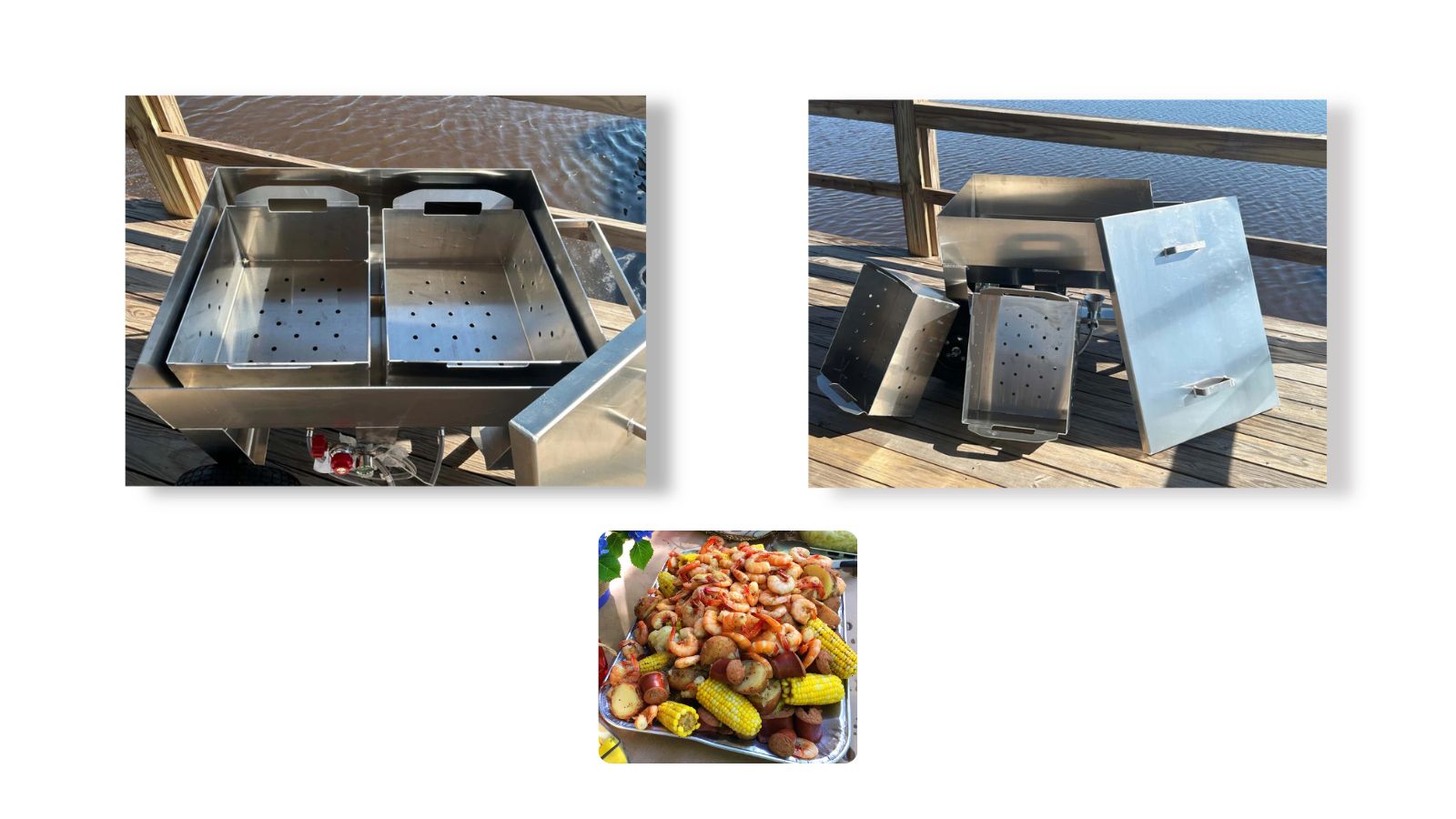
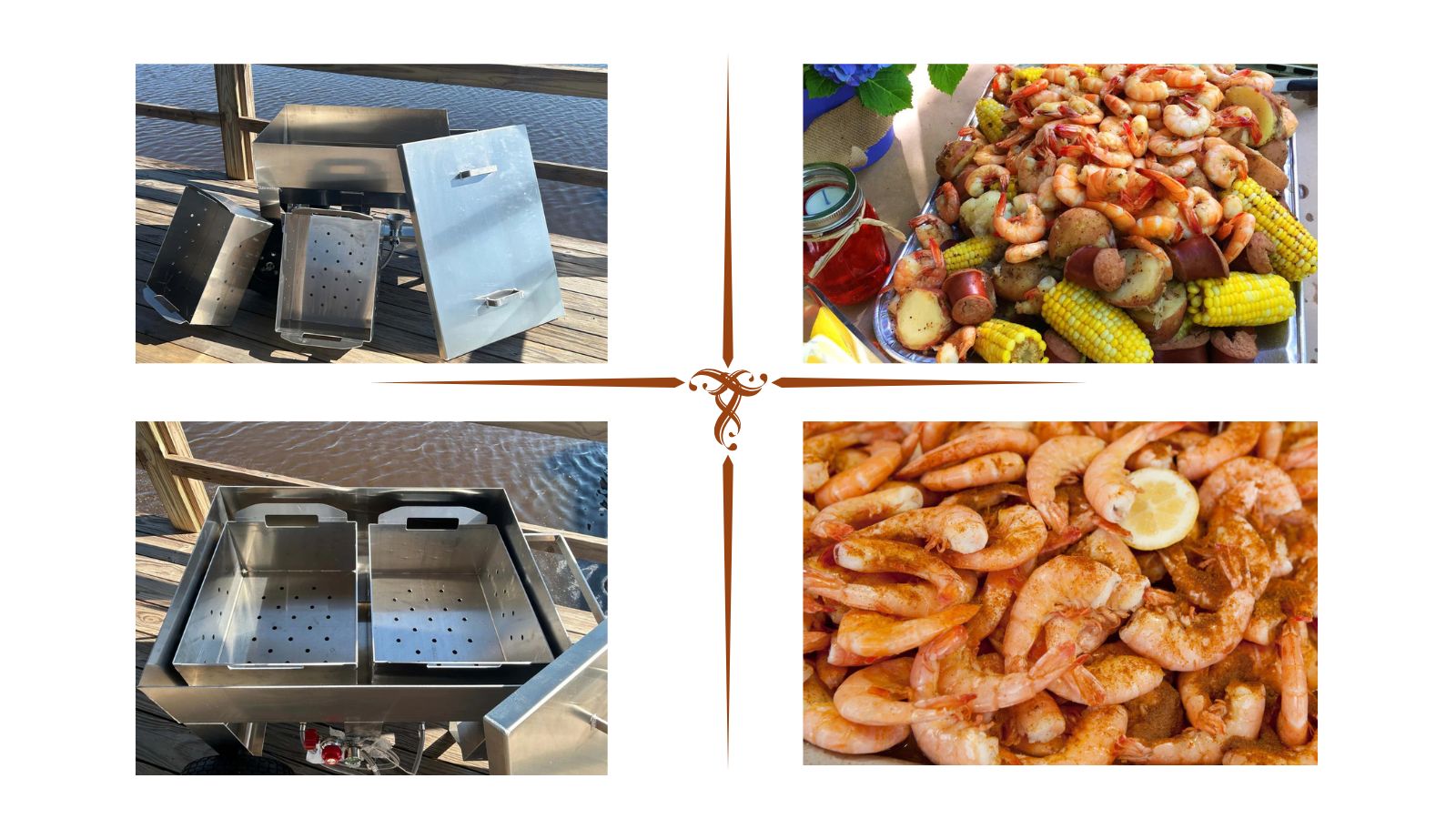
To maintain consistent steam pressure when loading pounds of cold or frozen shrimp, outdoor enthusiasts rely on dedicated high-capacity equipment. Investing in a heavy-duty crab boil pot and seafood boiler ensures rapid heat recovery, keeping your steam temperatures consistent so every batch cooks evenly from top to bottom.


For comprehensive insights on moisture control and heat dynamics across various seafood types, explore our detailed guide on how to steam shrimp for perfect texture and flavor.
5 Common Mistakes to Avoid When Steaming Shrimp
Even experienced home chefs make minor errors that can degrade seafood quality. Avoid these five common pitfalls:
1. Overcrowding the Steamer Basket
Packing frozen shrimp too tightly blocks steam airflow, leaving top layers raw while bottom layers overcook. Fill baskets loosely to allow steam to circulate freely around every piece.
2. Submerging Seafood in Boiling Water
Steaming and boiling are fundamentally different. Boiling leaches flavor and juices out into the water. Ensure your steaming rack holds the shrimp at least 1–2 inches above the liquid surface.
3. Relying Solely on Visuals Instead of Time
Because frozen shrimp cool down the steaming pot quickly, relying on appearance alone can be deceptive. Combine visual cues ("C" shape and opaque flesh) with an instant-read digital thermometer (145°F internal temperature).
4. Skipping Seasoning in the Steam Liquid
Seasoning only the exterior of the shrimp misses a major opportunity. Liquid steam carries aromatic oils from lemons, herbs, and beer directly into the shrimp meat as it cooks.
5. Letting Shrimp Sit in the Hot Pot
Shrimp continue cooking rapidly even after you turn off the burner. Always transfer cooked shrimp out of the steamer basket instantly.
Expert Flavor & Seasoning Profiles
While traditional Lowcountry boil seasoning is always a crowd-pleaser, try experimenting with these flavor variations:
- Garlic Herb Steam: Add white wine, fresh dill, crushed garlic, and lemon wheel slices to your steaming base.
- Beer & Cajun Spice: Combine a crisp lager with cayenne-heavy Cajun rub, celery seed, and sea salt.
- Asian Ginger-Sesame: Use rice vinegar, sliced fresh ginger, scallions, and a dash of sesame oil in the boiling liquid, then garnish with toasted sesame seeds.
Frequently Asked Questions (FAQs)
How long do you steam shrimp when they are raw vs. frozen?
Thawed or fresh raw shrimp take between 3 and 6 minutes to steam, depending on size. Frozen shrimp require approximately 2 to 3 additional minutes (5 to 9 minutes total) to allow the ice glaze to melt before cooking through.
Should you steam shrimp with the shell on or off?
Steaming shrimp with the shell on is highly recommended. The shell protects the delicate meat from harsh heat, locks in moisture, and retains natural flavor juices.
How can you tell if steamed frozen shrimp is done?
Steamed shrimp are done when their flesh turns fully opaque white with pink accents, their internal temperature reaches 145°F on a food thermometer, and they curl into a relaxed "C" shape.
Is it better to boil or steam frozen shrimp?
Steaming is superior to boiling. Steaming cooks seafood more gently, prevents waterlogging, retains delicate flavors, and yields a firmer, snappier texture.
Can you re-season steamed shrimp after cooking?
Yes! Tossing freshly steamed shrimp in warm melted butter and sprinkling additional seasoning immediately after removing them from the steamer allows the spices to adhere perfectly.
Charleston Oyster Cookers
- Address: 1845 Alice Drive, Charleston, Sc 29407
- Phone: (843) 994-2444
- E-mail: bchance@charlestonoystercookers.com
Conclusion
Mastering how to steam frozen shrimp boils down to three core principles: maintaining high steam volume, using a flavored liquid base, and adhering to strict timing guidelines based on size. By following the master timing chart and avoiding common mistakes, you can serve juicy, perfectly textured shrimp every single time.
Ready to take your outdoor seafood feasts to the next level? Explore our handcrafted line of American-made outdoor steamers and custom equipment on the official Charleston Oyster Cookers website today!